Shark Pictures, Shark Species,  Shark Photography,  Shark Diving, Hot Spots, Shark Taxonomy,  Evolution,  Biology,  Shark Attacks,  Books, Shark Movies,  Articles,  Extinction, Protection, Updates, Site Map, Contact


ELASMODIVER HOME     SHARK PICTURES

underwater photography course

HOME

WHAT'S NEW?

ELASMO-BLOG

SHARK PICTURE LICENSING

SHARK PICTURE PRINTS

PHOTOGRAPHY WORKSHOPS

SHARK DIVING 101

SHARK DIVING HOTSPOTS

FEEDING SHARKS

BASIC SHARK PHOTOGRAPHY

SHARKS UNDER THREAT

ACTIVISTS SAVING SHARKS

SHARK FACTS FOR STUDENTS AND TEACHERS

SHARK ATTACKS

SHARK & RAY TAXONOMY

SHARK & RAY EVOLUTION

SHARK & RAY BIOLOGY

GLOSSARY OF TERMS

SHARK BOOKS

SHARK MOVIES / DOCUMENTARIES

SHARK STORIES AND ARTICLES

SHARK LINKS

ELASMODIVER CONTRIBUTORS

BIO OF ANDY MURCH

SHARK TALK

SITE MAP

CONTACT INFO

SPONSOR ELASMODIVER

ABOUT ELASMODIVER

E-MAIL ELASMODIVER

basking shark picture


Not just Shark Pictures: Elasmodiver contains photos of sharks, skates, rays, and chimaera's from around the world. It began as a simple web based field guide to help divers find the best places to encounter different species of sharks and rays but it has slowly evolved into a much larger project containing information on all aspects of shark diving and photography. There are now more than a thousand shark pictures  and sections on shark evolution, biology, and conservation. There is a large library of reviewed shark books, a constantly outdated shark taxonomy page, a monster list of shark links, and deeper in the site there are numerous articles and stories about shark encounters. Elasmodiver is now so difficult to check for updates, that new information and pictures are listed on an Elasmodiver Updates Page that can be accessed here:

WHAT'S NEW?

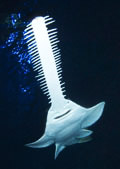
Shark picture - green sawfish

_


ELASMODIVER EXPANDED

If you're looking for a broader range of marine life pictures the following links represent a new area that contains pictures on other marine organisms and on marine habitats. This expansion of Elasmodiver is in its first stages but will eventually include pages on everything from sea stars to nudibranches. Creating this portal will take time and for now it consists of a token offering of fish pictures. Please return regularly to enjoy the progress.


FISH PICTURES


The High Price of Shark Fin Soup

Published in Malaysian Naturalist December 2006

Shark fin soup was once a delicacy reserved for special occasions but a 2006 study conducted by Fisheries Scientist Shelley Clarke indicates that up to 73 million sharks are now being killed annually to supply the fin trade. This is three times higher than the official catch statistics reported to the FAO because it includes new data taken from illegal shark fin traders who do not report their catches.

The soup’s increasing popularity is linked to the continuing growth of the Chinese economy. Now that more people can afford to buy shark fin soup, the demand has sent the price of fins sky rocketing. This has led to an increase in shark finning activity that is putting stress on shark populations all over the world.
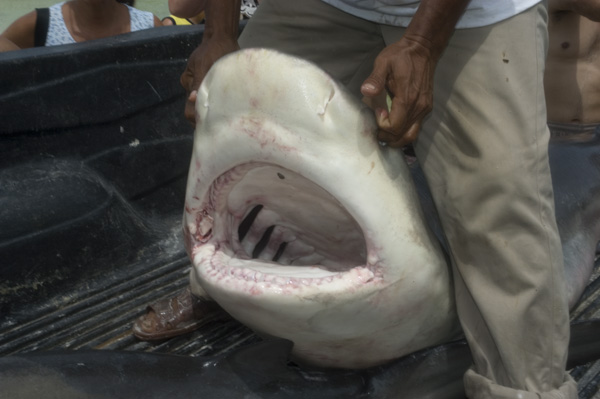
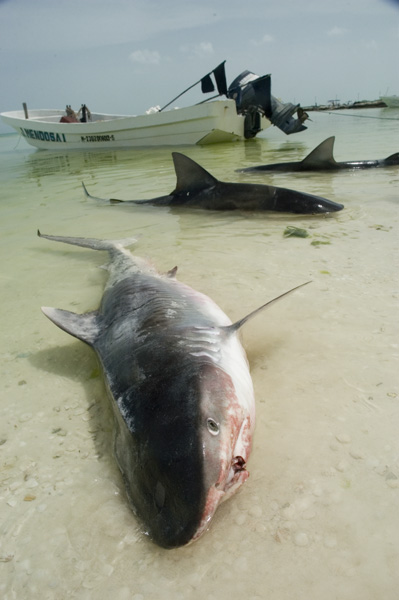
The act of shark finning is extremely barbaric. As the sharks are dragged onto the boat their prized fins are sliced off. To avoid losing precious cargo space, the valueless carcasses are then tossed back into the sea where, unable to swim, they sink to the seabed and drown. This wasteful practice has been outlawed in many countries including the USA but policing the shark fishing industry is very difficult and illegal shark finning fleets continue to drive shark stocks towards extinction. 

The problem is that sharks grow very slowly. Some species can take more than 20 years to reach sexual maturity which means that they run a high risk of being caught before they are able to produce the next generation. Sharks also have very few offspring. Unlike bony fishes that release millions of eggs each year, sharks incubate their young internally and only give birth to between 1 and 50 pups depending on the species. Of these, only a few will survive the first year. As the ocean’s apex predators this reproductive strategy serves them well. Their low birth rate ensures that they will not overrun their food supply but unfortunately it also means that they are unable to respond to increased fishing pressure.

A recent study in the Gulf of Mexico found that the Oceanic Whitetip Shark population has been reduced by a staggering 99 percent and researchers speculate that many other shark species are in a similar position.

To combat rampant shark finning the IUCN Shark Specialist Group has proposed a limit on the fin to body weight ratio of landed sharks. This discourages shark fishermen from discarding carcasses at sea but it does not specifically limit the number of sharks that they may land. It is a band aid solution that has slowed down some shark finners but it has driven others underground.

While monitoring the shark fishing industry is important, educating consumers is just as critical. Sharks are vanishing from our oceans at an alarming rate and the outlook is not an attractive one. Without sharks, the incidence of disease among fish species will increase. Some marine populations will explode leading to crashes among others and the eventual breakdown of the entire marine ecosystem. A high price to pay for a bowl of soup.

.

Back to Elasmodiver Articles            Elasmodiver Home

Hit Counter

SPONSORS

Shark Picture

Shark Diving Hotspots picture
Whats new at elasmodiver picture
Shark Trip article picture
Shark Taxonomy Button
Sharks under Threat picture
Shark Photographers picture
Shark Photography 101 picture